What Does a Video Marketing Agency Do for Your Brand?
Reading time: 12 minutes
Let’s be honest — you’ve probably watched a brand video recently that made you stop scrolling, feel something, and maybe even click “buy.” That wasn’t an accident. Behind that perfectly timed cut, that emotional soundtrack, and those crystal-clear product shots was a team of strategists, creatives, and data analysts working in sync. That team? A video marketing agency.
In 2026, video isn’t just a content format — it’s the dominant language of digital communication. According to Cisco’s Visual Networking Index, video now accounts for 82% of all global internet traffic, and brands that invest in professional video marketing see an average of 49% faster revenue growth than those relying on static content alone. Yet many business owners still wrestle with a fundamental question: What exactly does a video marketing agency do, and is it worth the investment?
This guide breaks it all down — no fluff, no vague promises. Just clear, strategic insight into how these agencies work, what they deliver, and how to choose the right one for your brand.
Table of Contents
- What Is a Video Marketing Agency?
- Core Services They Provide
- The Strategy Layer: More Than Just Filming
- Real Results: Case Studies in 2026
- In-House vs. Agency: A Practical Comparison
- Common Challenges and How to Overcome Them
- How Video Marketing Impacts Key Brand Metrics
- How to Choose the Right Agency for Your Brand
- Frequently Asked Questions
- Your Video-First Brand: Next Steps
What Is a Video Marketing Agency?
A video marketing agency is a specialized firm that combines creative production with strategic marketing expertise to help brands communicate through video content. Unlike a traditional video production house that simply films and edits footage, a full-service video marketing agency owns the entire journey — from brand positioning and audience research all the way through distribution, paid amplification, and performance analytics.
Think of it this way: a production company hands you a finished video. A video marketing agency hands you results.
These agencies operate at the intersection of storytelling and data science. They understand that a beautifully produced video with no distribution strategy is like a billboard in the middle of a desert. Conversely, a well-distributed mediocre video wastes ad spend and dilutes your brand. The best agencies nail both sides of the equation.
In 2026, top-tier video marketing agencies have also integrated AI-assisted creative tools, personalized video generation pipelines, and cross-platform content repurposing workflows into their standard offerings — making their value proposition significantly stronger than even three years ago.
Core Services They Provide
Production and Creative Development
At the foundation, video marketing agencies handle the full creative and technical production process. This includes:
- Concept development and creative scripting — translating your brand message into a compelling narrative
- Pre-production planning — storyboarding, location scouting, casting, and shoot logistics
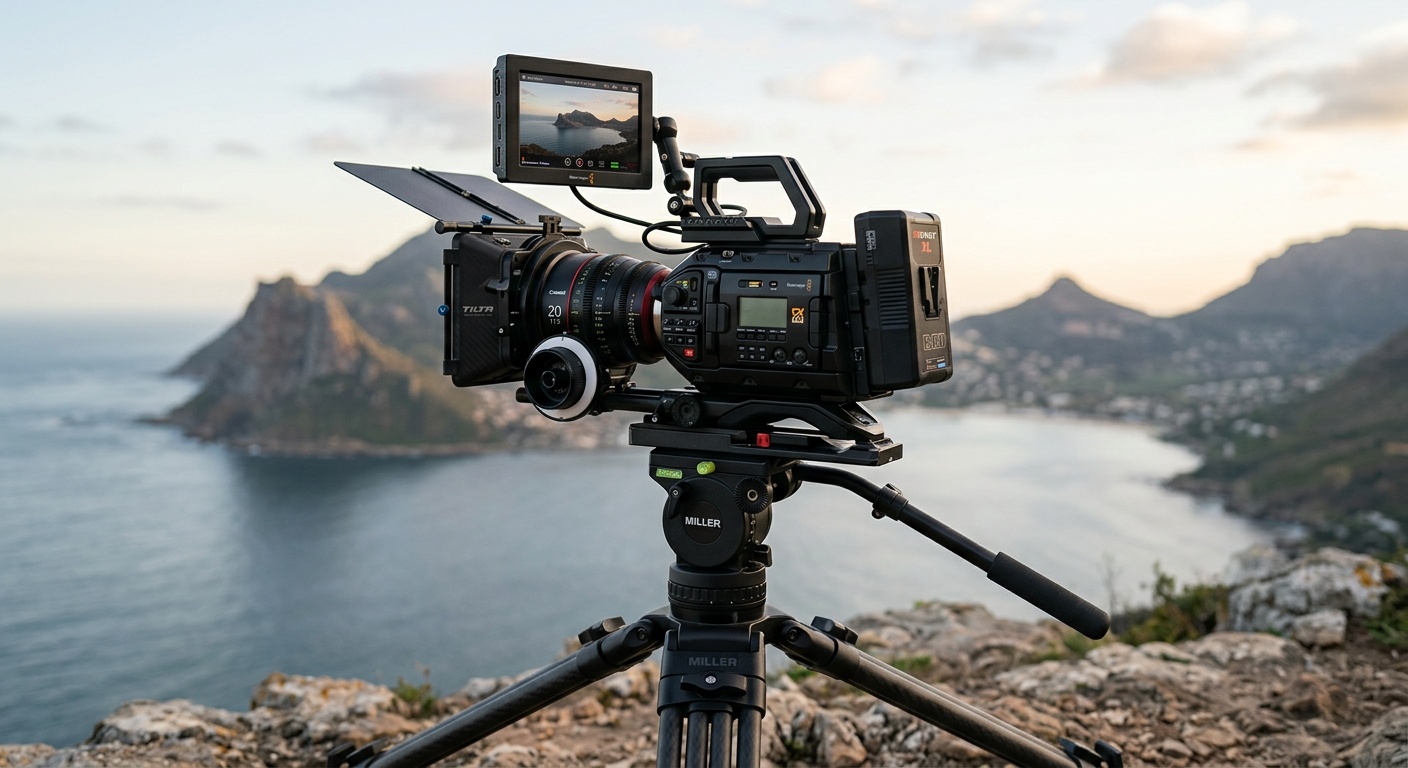
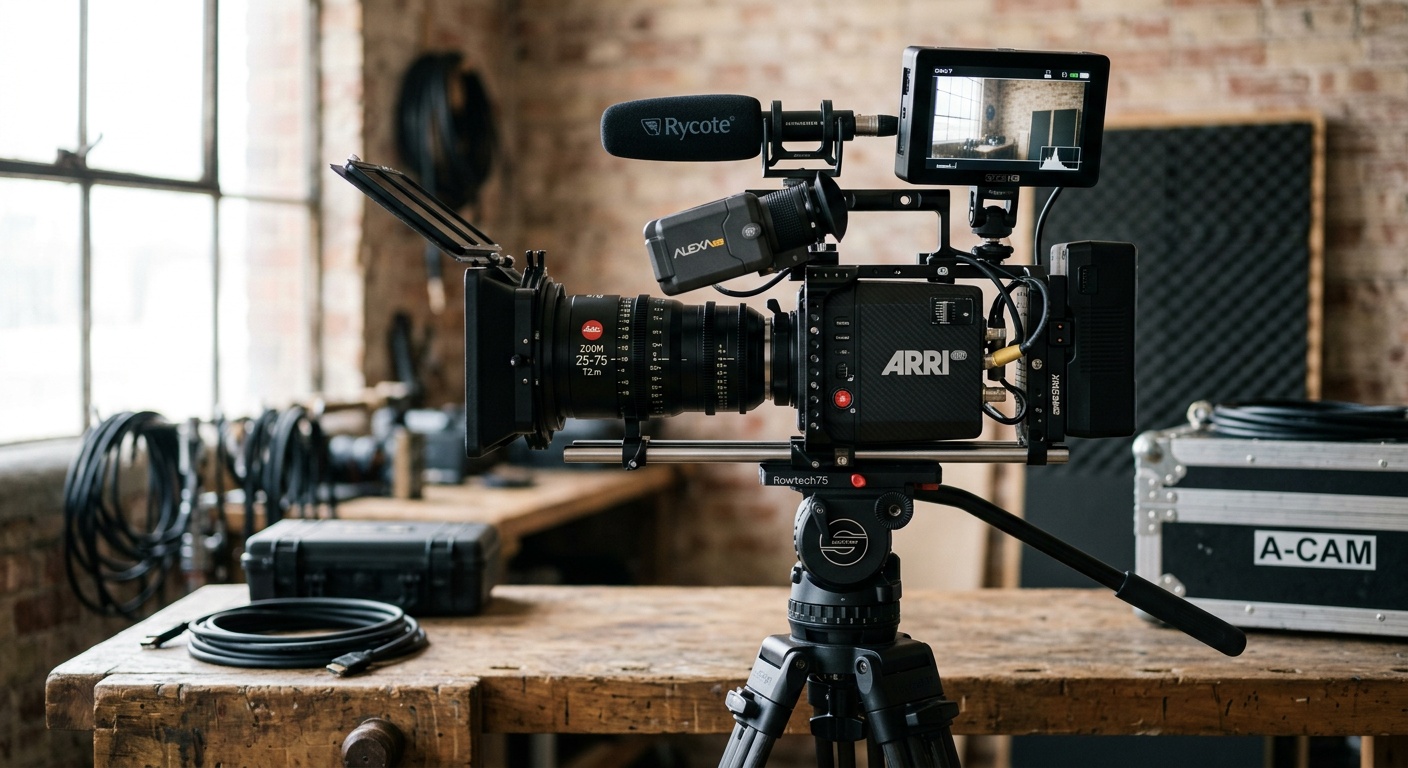
- Professional filming — using high-end camera equipment, lighting rigs, and audio capture
- Post-production editing — color grading, motion graphics, sound design, and voiceover integration
- AI-enhanced personalization — dynamic video rendering that customizes content for different audience segments
The production tier is where many brands first experience the difference between DIY content and professional output. Quality signals credibility, and in a saturated feed environment, high production value communicates that your brand takes itself seriously.
Distribution Strategy and Platform Optimization
Creating a video is only half the battle. Getting it in front of the right eyes — at the right moment, on the right platform — is where agencies truly earn their retainer. In 2026, platforms like YouTube, TikTok, Instagram Reels, LinkedIn Video, and emerging AI-curated streaming feeds each have distinct algorithms, aspect ratios, caption behaviors, and audience expectations.
A seasoned agency builds a platform-specific distribution matrix for every piece of content. That 90-second brand film might become:
- A 15-second hook for TikTok ads
- A 30-second mid-roll YouTube bumper
- A silent-captions LinkedIn version for the professional audience
- A full-length version embedded in email campaigns
This kind of content atomization maximizes return on every production dollar spent.
Paid Video Advertising Management
Most agencies also manage paid media campaigns across YouTube Ads, Meta Video, TikTok for Business, and programmatic video networks. This includes audience targeting, bid management, A/B testing creative variants, and real-time budget optimization.
Analytics, Reporting, and Performance Optimization
Data is the backbone of modern video marketing. Agencies track metrics like view-through rates (VTR), engagement rate, click-through rate (CTR), cost-per-view (CPV), brand recall lift, and conversion attribution. Monthly performance reports help brands understand what’s working — and fuel smarter creative decisions in subsequent productions.
The Strategy Layer: More Than Just Filming
Here’s what separates exceptional video marketing agencies from the rest: their strategic depth before a single camera rolls.
Audience Research and Persona Mapping
Before writing a script or booking a location, top agencies invest significant time in understanding your audience. Who are they? What emotional triggers drive their purchasing decisions? Where do they consume content, and at what time of day? What does your competitive landscape look like on video?
This research phase typically involves:
- Audience persona workshops with your internal team
- Competitive video audits across platforms
- Social listening and search trend analysis
- Existing customer interview insights
Pro Tip: If an agency skips this phase and jumps straight into production conversations, consider it a red flag. Strategy without data is just guessing in expensive clothing.
Brand Narrative Architecture
Great agencies don’t just make videos for your brand — they build a narrative architecture that creates consistency across every piece of content you produce. This means defining your brand’s visual tone, emotional register, storytelling cadence, and messaging hierarchy before production begins.
Think of it as your brand’s cinematic universe. Each video — whether a product explainer, a customer testimonial, or a social media campaign — should feel like it belongs to the same world. That consistency builds brand recognition over time, which directly impacts purchase intent.
According to Lucidpress’s 2025 Brand Consistency Report, brands that maintain consistent presentation across all platforms see an average revenue increase of 23%. Video is now the primary vehicle for establishing that consistency.
Real Results: Case Studies in 2026
Case Study 1: A Mid-Sized E-Commerce Brand Breaks Through the Noise
Consider the experience of a sustainable homeware brand based in Portland that partnered with a video marketing agency in early 2025. The brand had decent organic reach on Instagram but struggled to convert awareness into sales. Their internal team was producing weekly Reels, but engagement had plateaued.
The agency conducted a full video audit and discovered that the brand’s content was aesthetically beautiful but emotionally flat — it showed products, but never told a story about the people who used them. The agency implemented a three-phase strategy:
- Phase 1 — Customer story series: three 60-second documentary-style videos featuring real customers in their homes, using the products in daily life
- Phase 2 — Behind-the-scenes production series: short-form content showing the brand’s ethical sourcing and craft process
- Phase 3 — Paid retargeting using a 15-second “product in action” cut targeting cart abandoners
Results over six months: 312% increase in video engagement, 67% lift in conversion rate from video-touched traffic, and a 4.2x return on ad spend on the retargeting campaign. The brand went from posting content to building a loyal viewer community.
Case Study 2: B2B SaaS Company Uses Video to Shorten the Sales Cycle
A cloud-based project management software company in 2026 was struggling with a long, 90-day average sales cycle. Their sales team was spending enormous time explaining product features during calls. The company partnered with a B2B-focused video marketing agency to create a video-first sales enablement library.
The agency produced:
- An animated explainer video for the homepage (reducing bounce rate by 34%)
- Six use-case scenario videos for different buyer personas (CFO, Project Manager, IT Director)
- A series of LinkedIn video ads targeting mid-market decision-makers
- Personalized video proposals sent by the sales team via a video messaging tool
Within eight months, the company’s average sales cycle dropped from 90 days to 54 days — a 40% reduction — and their demo-to-close rate increased by 28%. Video had become their most powerful sales tool.
In-House vs. Agency: A Practical Comparison
One of the most common questions brand managers ask is whether to build an internal video team or partner with an agency. There’s no universal answer, but this comparison should help clarify the tradeoffs:
| Factor | In-House Team | Video Marketing Agency |
|---|---|---|
| Cost Structure | Fixed (salaries, equipment, software) | Variable (project or retainer-based) |
| Strategic Expertise | Limited to internal experience | Deep cross-industry perspective |
| Production Scale | Constrained by team size | Scalable on demand |
| Brand Knowledge | Deep institutional knowledge | Requires onboarding investment |
| Technology Access | Budget-dependent | Access to premium tools and AI platforms |
The sweet spot for many growing brands in 2026 is a hybrid model — an internal creative coordinator who manages brand voice and approvals, working in partnership with an agency that handles high-production campaigns, paid distribution, and performance analytics.
Common Challenges and How to Overcome Them
Challenge 1: Misaligned Expectations on ROI Timelines
Many brands come to a video marketing agency expecting immediate sales spikes after the first campaign launches. The reality is more nuanced. Video marketing operates on two timelines simultaneously: short-term conversion campaigns (paid ads, retargeting) and long-term brand equity building (organic content, brand storytelling). The latter takes 6–12 months to compound meaningfully.
How to overcome it: Establish a clear KPI framework before the engagement begins. Define which metrics will measure short-term performance (ROAS, CPL, conversion rate) and which will track long-term brand health (branded search volume, unaided awareness scores, engagement rate trends). This prevents misunderstandings and keeps the partnership focused on the right outcomes at the right time horizon.
Challenge 2: Maintaining Brand Voice Consistency Across High-Volume Content
As agencies scale content production — especially with AI-assisted tools — maintaining a consistent brand voice becomes a genuine challenge. A 15-second ad targeting Gen Z on TikTok should feel like it belongs to the same brand as a 3-minute documentary on YouTube, even if the tone and format differ dramatically.
How to overcome it: Insist that your agency develops a comprehensive Video Brand Bible during onboarding. This document should codify your visual tone, music palette, acceptable talent types, color grading guidelines, caption style, and storytelling principles. Treat it as a living document that gets updated as your brand evolves.
Challenge 3: Navigating Platform Algorithm Changes
In 2026, platform algorithms continue to evolve at a relentless pace. What worked on YouTube six months ago may underperform today. TikTok’s recommendation engine underwent significant updates in late 2025, and LinkedIn’s video prioritization shifted toward longer-form native uploads over external links.
How to overcome it: Choose an agency with a dedicated platform intelligence team — people whose sole job is monitoring algorithm behavior, testing new formats, and translating those insights into actionable creative decisions. Ask prospective agencies how they stay current on platform changes and what their testing cadence looks like.
How Video Marketing Impacts Key Brand Metrics
The data below illustrates average percentage improvements reported by brands using professional video marketing agencies in 2025–2026, across key performance indicators:
Brand Awareness Lift
Website Conversion Rate
Email Click-Through Rate (with video thumbnail)
Social Media Engagement
Sales Cycle Reduction (B2B)
Sources: HubSpot Video Marketing Report 2025, Wyzowl State of Video Marketing 2026, agency-reported client data.
How to Choose the Right Agency for Your Brand
Not all video marketing agencies are built alike. Some specialize in luxury brand storytelling; others are performance-first shops laser-focused on paid social ROI. Matching agency DNA to your brand’s needs is critical. Here’s how to evaluate potential partners:
Evaluate Their Portfolio With Scrutiny
Don’t just watch the showreel. Ask to see full campaigns with performance data. Any agency worth hiring should be able to show you specific examples of work that achieved measurable outcomes — not just pretty videos. Look for diversity in format, tone, and industry. A great agency will have produced content that spans awareness-stage brand films and bottom-funnel direct response ads.
Ask the Right Discovery Questions
During initial conversations, pay attention to which questions the agency asks you. Great agencies lead with strategy questions: What business outcomes are you trying to achieve? Who is your target customer? What does success look like in 12 months? What’s your current content infrastructure? Agencies that jump immediately to production timelines and package pricing haven’t demonstrated strategic depth.
Key questions you should ask them:
- How do you measure success beyond view counts?
- What does your onboarding process look like?
- How do you handle creative disagreements with clients?
- Can you walk me through a campaign that underperformed and what you learned?
- What AI tools are you currently integrating into your workflow?
Understand Their Pricing Model
Video marketing agencies typically operate on one of three pricing models:
- Project-based — ideal for one-off productions or defined campaigns
- Monthly retainer — best for brands needing ongoing content production and strategy
- Performance-based — growing in popularity in 2026, where agency fees are partially tied to campaign outcomes
Beware of agencies that offer suspiciously low pricing. Professional video production is resource-intensive, and quality has a cost floor. In 2026, a well-produced brand video from a reputable agency typically ranges from $8,000 to $50,000+ depending on complexity, with monthly retainers for ongoing content and distribution starting around $5,000–$15,000/month.
Frequently Asked Questions
How long does it take to see results from video marketing?
Results depend on your goals and strategy mix. Paid video campaigns typically show measurable performance data within 2–4 weeks of launch. Organic brand-building through content marketing generally takes 6–12 months to produce compounding results in brand awareness, search visibility, and audience growth. A well-structured agency engagement will set both short-term and long-term performance benchmarks so you’re never left wondering whether the investment is working.
Does my brand need a large budget to work with a video marketing agency?
Not necessarily — but you do need a realistic one. Many agencies in 2026 offer tiered service models that can accommodate smaller brands with monthly production budgets starting around $3,000–$5,000. The key is being transparent about your budget from the start so the agency can design a strategy that maximizes impact within your constraints. A focused, well-executed single video campaign will outperform a diluted multi-video approach every time when resources are limited.
What types of businesses benefit most from video marketing agencies?
Virtually every type of business can benefit, but the impact is particularly pronounced for e-commerce brands looking to increase conversion rates, B2B companies trying to shorten complex sales cycles, service businesses that need to build trust at scale, and consumer brands competing for attention in crowded categories. In 2026, even traditionally slow-to-adapt sectors like healthcare, legal services, and financial planning have seen dramatic results from professional video marketing — largely because so few competitors in those spaces are doing it well.
Your Video-First Brand: Next Steps
We’re living in the most visually competitive marketing environment in history — and the gap between brands that leverage professional video marketing and those that don’t is widening every quarter. Here’s your action-oriented roadmap to move forward strategically:
- Audit your current video presence. List every platform where your brand has video content. Assess quality, consistency, and performance. Identify the biggest gaps between where you are and where you need to be.
- Define your video marketing goals clearly. Are you trying to drive awareness, generate leads, shorten your sales cycle, or increase customer retention? Each objective requires a different video strategy.
- Research and shortlist 3–5 agencies whose portfolio, communication style, and strategic approach align with your brand. Use the evaluation criteria from this article as your screening framework.
- Request strategy-focused proposals, not just production quotes. The best agencies will propose a content and distribution strategy, not just a list of deliverables.
- Start with one well-funded campaign rather than spreading budget thin across multiple underpowered ones. Prove the model, learn from the data, then scale.
Video marketing in 2026 is no longer a “nice to have” — it’s the primary mechanism through which brand trust, customer relationships, and revenue are built at scale. As AI continues to lower production barriers and raise audience expectations simultaneously, the competitive advantage will belong to brands that combine creative excellence with strategic discipline.
The question isn’t whether video marketing is right for your brand — it’s whether you’re ready to invest in doing it right. What would your brand look like if your target audience watched it rather than read it?